
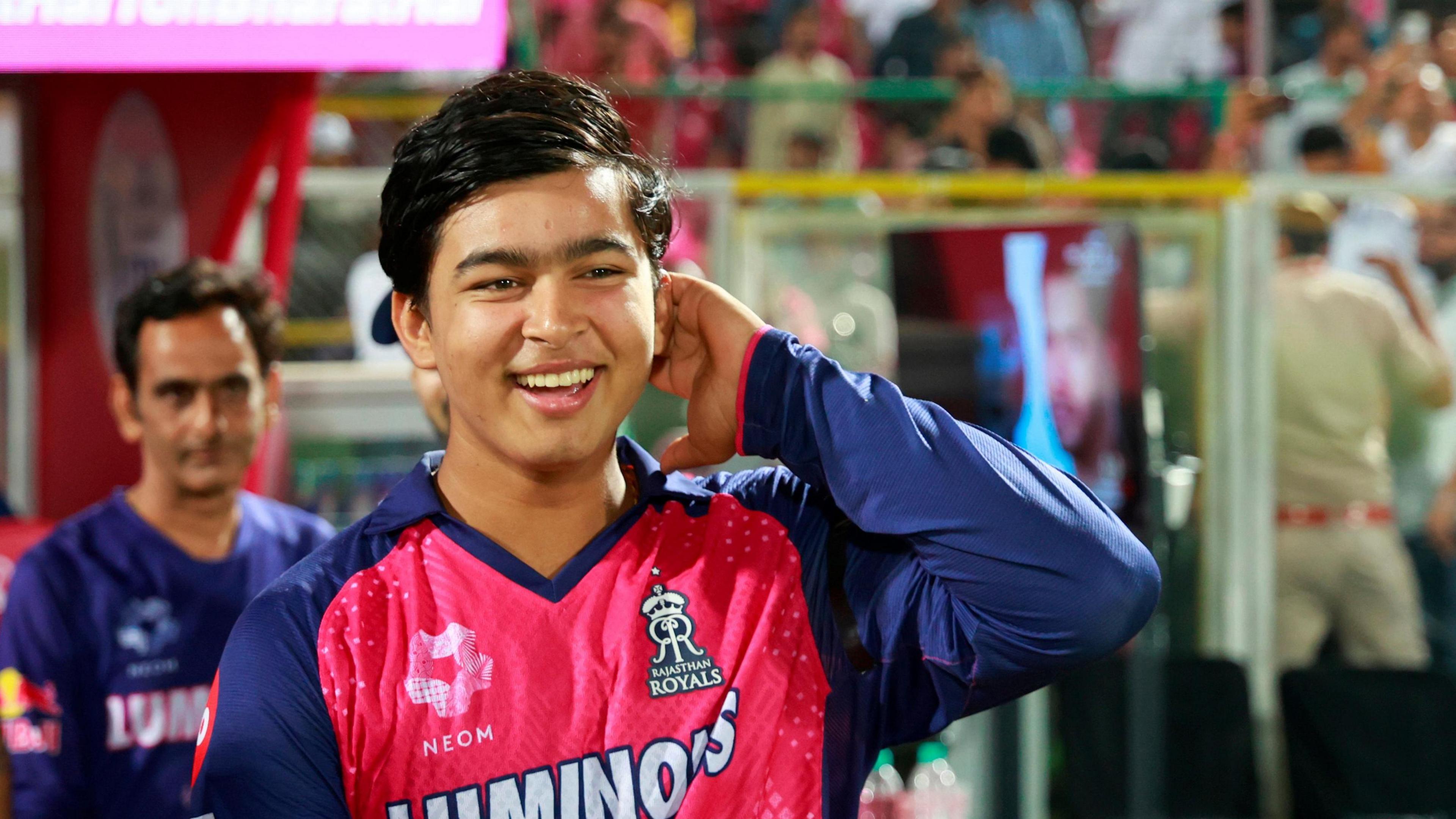
Vaibhav Sooryavanshi, the teenage batting prodigy who has taken Indian cricket by storm, wrapped up a remarkable IPL 2026 season by attending the tournament's awards ceremony with a fresh haircut — a small personal detail that went viral on social media but barely captured the scale of what the young batter had actually achieved on the field across sixteen matches this season.
## A Season for the Record Books
Over the course of IPL 2026, Sooryavanshi accumulated 776 runs in 16 matches, doing so at a strike rate of 237.30 — a figure that places him among the most destructive batters the Indian Premier League has ever witnessed at any age, let alone as a teenager still making his way in professional cricket. To put that number in context, a strike rate of 237 means that for every 100 balls Sooryavanshi faced, he scored 237 runs — a pace of scoring that seasoned T20 specialists rarely sustain across an entire tournament.
His campaign included one century and three scores in the nineties, suggesting that not only was he hitting the ball hard and fast, but he was also converting starts into substantial innings with a consistency that belies his age. The combination of volume — 776 runs is a very high aggregate for a single IPL season — and velocity makes his 2026 campaign statistically exceptional by almost any measure used to evaluate T20 batting.
Sooryavanshi attended the IPL 2026 awards ceremony and was photographed watching the final between Royal Challengers Bengaluru and Gujarat Titans alongside BCCI Secretary Jay Shah, according to LiveMint. The image of the young cricketer seated next to one of Indian cricket's most powerful administrators underscored just how prominent a figure he has become in a very short span of time.
## What This Season Means for Indian Cricket
Sooryavanshi's emergence is significant not merely as a feel-good story about a gifted youngster, but as a potential structural shift in how Indian cricket thinks about aggressive, top-of-the-order batting in the shortest format of the game. For years, Indian T20 cricket has debated the balance between caution and aggression at the top of the order. Sooryavanshi, by all statistical evidence from this IPL season, appears to be settling that debate in favour of unrestrained attack — and doing so with results that are difficult to argue against.
The timing of his rise also matters. India's national T20 setup is always in the process of identifying and nurturing the next generation of match-winners, and a teenager posting an aggregate of 776 runs at a strike rate north of 237 in the world's most competitive T20 league sends a clear message to selectors about where future investments in batting talent ought to be directed.
It is also worth noting the broader economic and commercial dimension of a performance like this within the IPL framework. The IPL is not merely a cricket tournament — it is one of the most valuable sports properties in the world, with franchise valuations, broadcasting rights, and sponsorship deals running into tens of thousands of crores of rupees. A breakout star of Sooryavanshi's calibre has the potential to materially affect franchise valuations, jersey sales, viewership numbers, and endorsement markets. Brands targeting young Indian consumers will be watching closely, and the commercial ecosystem around him is likely to expand substantially in the months ahead.
His presence at the awards ceremony, seated next to Jay Shah as RCB and GT contested the final, also speaks to the institutional recognition his performances have earned. In the world of Indian cricket, proximity to administration at marquee events is itself a signal of standing.
For ordinary cricket fans across India — many of whom first encountered Sooryavanshi as a name in under-age tournaments — the sight of him at the IPL final as a genuine star rather than a promising prospect represents the completion of a journey that felt almost implausibly swift. Whether he can sustain this level across multiple seasons, and eventually translate IPL form into consistent international performances, remains the central question his career now poses.